Saona Island Marine Soundscapes: Underwater Sounds, Marine Animal Communication & Ocean Ecology
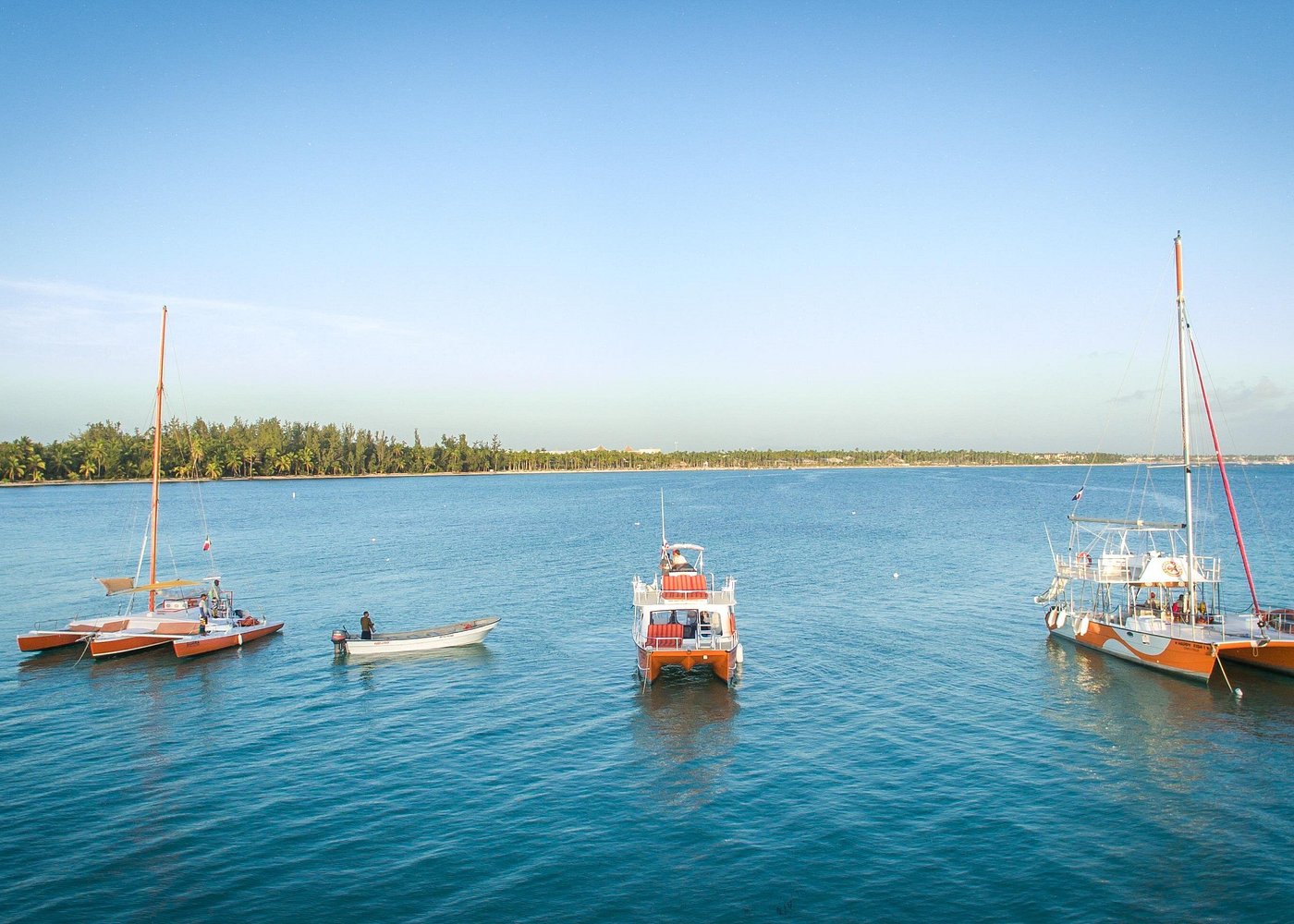
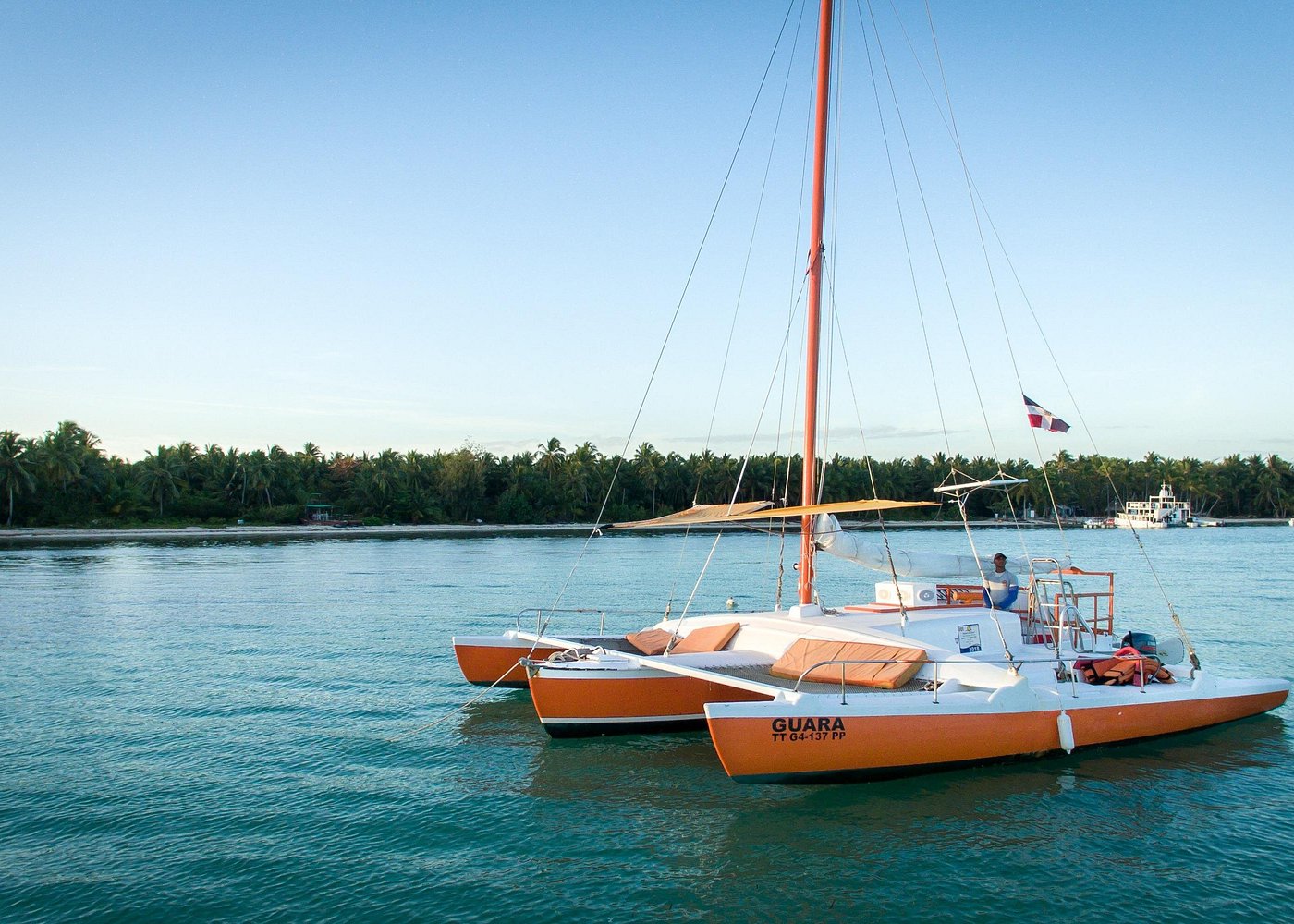
Saona Island in the Dominican Republic is famous for its tropical beaches, turquoise Caribbean waters, and beautiful marine environment. Visitors often appreciate the island through what they can see: coral reefs, fish, coastal landscapes, and clear water. However, there is another fascinating part of the marine environment that usually remains unnoticed: underwater sound.
The ocean is not a silent place. Marine organisms produce sounds, waves create acoustic energy, and boats and other human activities contribute additional noise. Together, these sounds form an underwater acoustic environment known as a marine soundscape.
Studying Saona Island marine soundscapes offers an interesting way to understand the hidden activity of Caribbean marine ecosystems. It also helps explain why underwater noise management is becoming an important subject in marine conservation.
This guide explores how sound travels underwater, how marine animals use acoustic signals, what creates natural ocean sounds, and how researchers study underwater sound environments.
1. What Is a Marine Soundscape?
A marine soundscape is the combined collection of sounds within an underwater environment.
It includes three broad categories:
- Biological sounds: Sounds produced by marine animals and other organisms.
- Geophysical sounds: Sounds generated by natural physical processes, such as waves, rainfall, and water movement.
- Anthropogenic sounds: Sounds produced by human activities, including boats, engines, construction, and other machinery.
These categories overlap to create the acoustic character of a marine environment.
Around a tropical island such as Saona, the underwater soundscape can change according to location, weather, marine activity, water depth, and human presence.
A shallow coastal environment may have a different acoustic character from deeper offshore water. Similarly, a busy boat route may have a different sound profile from a quieter marine location.
2. How Does Sound Travel Underwater?
Sound travels through water as pressure waves. When an object vibrates, it creates disturbances that move through the surrounding water.
Unlike light, sound can travel over considerable distances underwater, although its transmission depends on environmental conditions.
Several factors influence underwater sound propagation.
Water Temperature
Temperature affects the speed of sound in water. Differences in temperature between water layers can influence how sound travels.
Water Depth
Pressure increases with depth. Water depth and the surrounding acoustic environment can influence sound propagation and the way sound is reflected.
Salinity
Salinity affects the physical properties of seawater, including the speed of sound. Variations in salinity may contribute to differences in underwater acoustic conditions.
Seabed Composition
The seabed can absorb, reflect, or scatter sound. Sand, rock, coral structures, and other materials have different acoustic properties.
Water Movement
Waves, currents, and turbulence can contribute to underwater noise and influence the surrounding acoustic environment.
These factors explain why the same sound source may be detected differently in different marine locations.
3. Natural Sources of Underwater Sounds
Natural underwater sounds are produced by physical processes and biological activity.
Waves and Breaking Water
Waves create acoustic energy as they move, interact with the seabed, and break near the shoreline.
The intensity and character of these sounds can vary with wave height, wind, water depth, and coastal conditions.
Rainfall
Rain falling on the ocean surface produces sound. Different rainfall intensities can create different acoustic patterns.
Water Movement
Turbulence and interactions between moving water and underwater structures can generate additional sounds.
Geological and Physical Activity
Some marine environments experience acoustic energy associated with natural geological or physical processes. However, individual sound sources must be identified through monitoring rather than assumed from their location.
Natural sound is an important part of the acoustic background against which biological and human-made sounds are detected.
4. How Marine Animals Use Sound
Sound plays an important role in the lives of many marine animals.
Underwater communication can be useful because visibility is sometimes limited, particularly in deeper or turbid water.
Different animals produce and detect sounds in different ways.
Communication
Some marine animals use sound to communicate with other members of their species.
These signals may help with social interactions, coordination, or maintaining contact.
Navigation and Orientation
Certain marine animals use acoustic information to understand their surroundings.
Toothed whales, for example, use echolocation to detect objects and navigate through their environment.
Finding Food
Echolocation helps some marine mammals locate prey by interpreting returning sound signals.
Other animals may use different sensory systems and should not be assumed to rely on sound in the same way.
Reproductive and Social Behaviour
Sound can also be involved in courtship, territorial interactions, and other social behaviours in certain marine species.
The acoustic behaviour of an animal depends on its biology and ecological needs.
5. Marine Mammals and Caribbean Underwater Acoustics
The wider Caribbean region provides habitat for several marine mammal species.
Dolphins and whales are among the marine mammals known for their ability to produce and detect underwater sounds.
Different groups use different acoustic signals.
For example:
- Toothed whales can produce clicks used in echolocation.
- Some dolphins produce whistles and other communication sounds.
- Baleen whales are known for a range of vocalizations, including low-frequency sounds.
These examples help illustrate the importance of sound in marine mammal ecology.
However, the presence of a species in the wider Caribbean does not guarantee that it will be found near Saona Island at a particular time. Local acoustic research is necessary to establish which species and sounds occur at specific locations.
6. Coral Reefs and the Underwater Acoustic Environment
Coral reef environments are structurally complex habitats. They support many organisms, including fish and invertebrates, and can contain a variety of biological sound sources.
Some reef-associated animals produce sounds through body movements, vibrations, or specialized sound-producing structures.
The combined acoustic activity of these organisms can contribute to the soundscape of a reef environment.
Researchers can use underwater recordings to investigate biological activity and compare acoustic conditions between locations.
Acoustic recordings do not automatically identify every species. A sound may require expert analysis, additional observation, or comparison with verified reference recordings.
Nevertheless, sound offers another useful way to study marine habitats.
7. Human-Made Underwater Noise
Human activities can add noise to marine environments.
This is commonly called anthropogenic underwater noise.
Potential sources include:
- Motorized boats
- Ship engines and propellers
- Underwater construction
- Industrial machinery
- Coastal infrastructure activities
- Other mechanical operations
The type and intensity of noise depend on the activity, distance, equipment, operating conditions, and local environment.
Boat Traffic
Motorized vessels can generate underwater noise through engines, propellers, and water movement.
The acoustic effects can differ between vessel types and operating speeds.
Construction Activities
Some marine construction activities can produce intense underwater sound. Their effects depend on the method used and the surrounding environmental conditions.
Recreational Activities
Recreational boating and other water-based activities can contribute to the overall acoustic environment.
Understanding these sources is important when planning responsible marine tourism and coastal management.
8. How Underwater Noise Can Affect Marine Animals
Underwater noise does not affect every species in the same way.
Its potential effects depend on sound intensity, frequency, duration, distance, species sensitivity, and environmental conditions.
Several possible effects have been studied in marine science.
Communication Interference
Background noise can make it harder for some animals to detect signals produced by other members of their species.
This is sometimes described as acoustic masking.
Behavioural Changes
Some animals may change their movement, feeding, or communication behaviour when exposed to certain sounds.
Stress Responses
Exposure to particular noise conditions may produce physiological or behavioural stress responses in some marine organisms.
Hearing Damage
Very intense sound exposure can potentially damage hearing structures in sensitive animals.
The likelihood and severity of these effects depend on the exposure conditions. It would be incorrect to assume that every passing boat produces harmful effects in every nearby animal.
9. How Scientists Study Saona Island Marine Soundscapes
Marine researchers can use underwater acoustic monitoring to study the sound environment.
One of the main instruments used for this purpose is a hydrophone.
A hydrophone is an underwater microphone designed to detect sound in water.
Passive Acoustic Monitoring
Passive acoustic monitoring involves recording underwater sounds without actively transmitting sound into the environment.
It can help researchers investigate:
- Marine animal vocalizations
- Changes in background noise
- Vessel activity
- Daily and seasonal acoustic patterns
- Differences between monitoring locations
Recording Equipment
A typical acoustic monitoring system may include:
- An underwater hydrophone
- A digital recording device
- A power supply
- A waterproof housing
- A mounting or deployment system
- Data storage equipment
The system must be selected according to the research objectives and expected sound frequencies.
Acoustic Data Analysis
Researchers can analyze recordings using sound-processing software.
Common methods include:
- Spectrogram analysis
- Frequency analysis
- Sound-level measurements
- Signal detection
- Acoustic event classification
A spectrogram displays how sound frequency and intensity change over time.
It can help researchers distinguish different acoustic patterns and investigate changes in the underwater environment.
10. Why Marine Soundscape Monitoring Matters
Acoustic monitoring provides information that may be difficult to obtain through visual observation alone.
Marine animals can remain underwater, move through areas with limited visibility, or produce sounds when observers are not present.
Sound recordings can therefore provide additional information about ecosystem activity.
Potential applications include:
- Monitoring biological activity in marine habitats.
- Identifying periods of increased vessel noise.
- Comparing quieter and busier marine locations.
- Investigating seasonal changes in acoustic patterns.
- Supporting marine environmental research.
- Evaluating the acoustic conditions of sensitive habitats.
Acoustic monitoring is most useful when combined with other information, such as habitat surveys, vessel observations, water conditions, and species identification.
11. Responsible Tourism and Underwater Noise
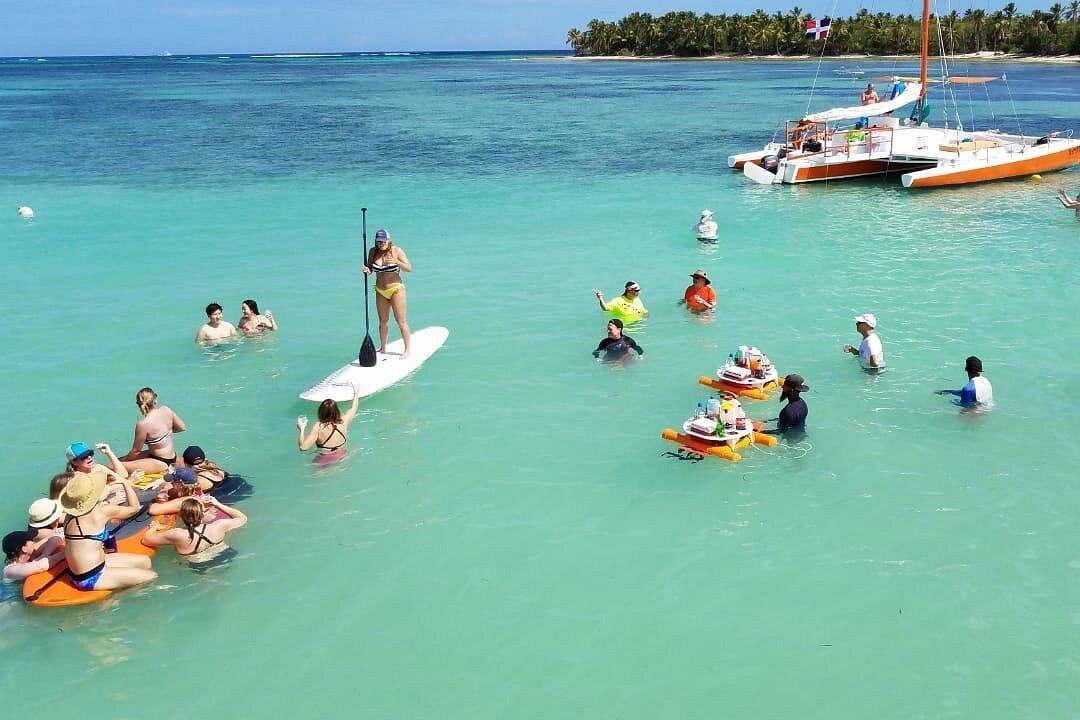
Tourism is an important part of the wider Saona Island experience. Boat excursions, snorkeling, and other recreational activities bring visitors into contact with the marine environment.
Responsible tourism should consider not only visible environmental impacts but also potential underwater noise.
Visitors and operators can take practical steps to reduce unnecessary disturbance.
Follow Responsible Boating Practices
Boat operators should follow applicable navigation and wildlife protection requirements.
Avoiding unnecessary engine use and sudden changes in operating behaviour can help reduce avoidable noise.
Respect Marine Wildlife
Visitors should not chase, surround, or deliberately disturb marine animals.
If wildlife is encountered, appropriate viewing distances and local guidance should be respected.
Choose Responsible Tour Operators
Visitors can ask tour providers about their boating practices, environmental policies, and approach to wildlife encounters.
Support Marine Conservation
Supporting responsible tourism and marine research helps encourage long-term protection of coastal and underwater environments.
12. The Future of Marine Acoustic Research Around Saona Island
Underwater acoustics offers opportunities for better understanding Caribbean marine ecosystems.
Future research could investigate the acoustic differences between shallow coastal habitats, reef environments, and offshore waters around Saona Island.
Researchers could also compare sound recordings collected during different seasons or levels of vessel activity.
Possible research questions include:
- Which biological sound sources are detectable in different marine habitats?
- How does vessel activity influence background underwater noise?
- Do acoustic patterns change between day and night?
- Which monitoring methods are most effective in shallow tropical waters?
- Can long-term sound recordings help identify changes in marine ecosystem activity?
These are research possibilities, not claims that specific monitoring programs are currently operating around Saona Island.
With carefully designed studies, underwater sound could become a valuable additional source of information for marine environmental management.
Frequently Asked Questions
1. What are Saona Island marine soundscapes?
They refer to the combined underwater sounds that may occur around Saona Island, including biological sounds, natural physical sounds, and human-generated noise.
2. Can you hear underwater sounds while swimming?
Human hearing underwater is different from hearing in air. Some sounds may be perceived, but ordinary swimming does not provide the same experience as using a hydrophone and specialized recording equipment.
3. What is a hydrophone?
A hydrophone is an underwater microphone used to detect and record sounds in aquatic environments.
4. Do dolphins communicate through sound?
Yes. Dolphins use different acoustic signals, including whistles and other sounds, for communication and social interactions. Toothed whales also use echolocation.
5. Can boat engines affect underwater soundscapes?
Yes. Engines and propellers can contribute to underwater noise. The acoustic effect depends on the vessel, its operation, distance, and surrounding conditions.
6. Are coral reefs noisy underwater?
Coral reef habitats can contain a variety of biological and physical sounds. The exact soundscape varies by location, species, and environmental conditions.
7. Why is underwater acoustic monitoring important?
It helps researchers investigate marine animal activity, background noise, vessel sounds, and changes in the acoustic environment.
8. Does Saona Island have a documented underwater sound monitoring program?
A specific local monitoring program should not be assumed without verified evidence. Hydrophone monitoring is an established research method that could be used to study the island's underwater acoustic environment.
Conclusion
Saona Island's marine environment is more than a beautiful underwater landscape. It is also an acoustic environment shaped by natural processes, biological activity, and human presence.
Marine soundscapes help scientists understand how underwater organisms communicate, how environmental conditions influence sound, and how human activities contribute to ocean noise.
Although visitors may not notice these sounds during an ordinary island excursion, they form an important part of the marine environment.
By encouraging responsible boating, respecting marine wildlife, and supporting scientific research, visitors and environmental stakeholders can contribute to the protection of the Caribbean's underwater world.
Discovering Saona Island through its marine soundscape offers a different perspective on the island: one that reveals the hidden acoustic life beneath the Caribbean Sea.

Local explorer & expert guide in Samaná Cruise Port.